Pilot Page Succession & Legacy · Pathway #5 of 5 Template applied
Pathway 05 / Succession & Legacy

You built something worth handing on. Let's make sure it can be.

Stewardship of the families entrusted to your care is what brought you to this work, and it is what makes you mindful of what happens when you step back. The question is not whether the practice will continue. It is whether the people who have come to depend on it will be served as well by the next generation as they have been by you. EverSource walks with founders thinking deliberately about that work: investment-platform continuity, next-generation advisor development, organizational design, and the capital structures that make a clean transition possible.

Succession is not the end of building. It is the discipline of building something that lasts.

Who this pathway is for

Three founders. One quiet realization.

Most founders arrive at this pathway through a single thought, often years before the transition itself. What I have built can be handed on, or it cannot. The honest answer determines what kind of work the next decade requires.

Profile 01

"Succession is still a long way off. The decisions I make now will determine what is possible then."

You are five to ten years from any real transition, but you have realized that the practice has not been designed for a transition. The investment book, the operating model, the next-generation bench, none of it has been intentionally built to be handed on. You want to start now, while there is still time to do it well.

Early-Considering Founder
Profile 02

"I see the next chapter. I want to design it deliberately."

You are within five years of a meaningful transition. The next-generation advisor or two have been identified. The questions you face now are structural and financial. How is the practice valued. How does the next generation buy in. How do client relationships migrate. What stays under your name and what carries forward under theirs.

Active Succession Planning
Profile 03

"My role is changing. The practice has to keep growing without me at the center of it."

You are in the early stages of a transition. The next generation is in place. The clients you have known for decades are being introduced to advisors you have trained. Your work now is to make yourself less central while making sure the practice grows beyond what you alone could carry.

Transition in Motion
What founders learn late

A practice is not the same thing as a legacy.

Most founders spend a career building something extraordinary. The clients trust them. The team has formed around them. The investment philosophy carries their judgment. The practice runs because they are in it. None of these are bad outcomes, and most founders earned them. They simply are not the same thing as a practice that can continue when the founder steps back.

The standard approaches to this realization each carry a cost. Wait too long, and the structural work that succession requires runs out of runway. The next generation is not ready, the clients have not been introduced, the investment book has not been transitioned to anything portable, and the founder ends up either selling externally or carrying on past the point of intent. Sell to an aggregator, and you trade the legacy for a transaction. The firm continues, but as something other than what you built. Hand it to family, and the wisdom of that depends almost entirely on whether the family was prepared for the role rather than handed it. Improvise the transition, and you discover that the parts of the practice that depend on you do not transfer just because you wish them to.

The question is not whether to step back.
It is whether what you built can stand without you.

EverSource walks with founders who want to design that standing while there is still time. We bring concrete expertise on the pieces that compound across the decade before a transition: an investment platform built for continuity rather than founder-attached customization, an active practice of next-generation advisor development across multiple teams, organizational consulting on the roles and compensation structures the transition will require, and access to capital that can support the buyout structures the design eventually calls for.

How the work unfolds

Four steps. Years, not weeks.

Succession is not a project with a deadline. It is a practice with a horizon. The work unfolds across years, and the earliest steps are the most consequential because they determine what the later steps will even be possible to do.

01

Understand the legacy in mind.

We start with the founder rather than the structure. What does the practice mean to you. What do you want it to mean ten years after you have stepped back. Whose lives does it continue to touch. The succession that follows is shaped by the legacy intended, and most founders have not yet stated theirs out loud. The first conversation is the one in which it gets stated.

02

Design the continuity architecture.

The structural work begins. Investment-platform continuity so the next generation inherits a coherent framework rather than thousands of one-off decisions. Organizational design including roles, compensation structures, and career paths that fit the practice the next generation will run. Client communication mapping. The financial structure of an eventual buyout, with capital approaches identified before they are needed. Each piece reduces what the transition itself has to carry.

03

Walk with the next generation.

The next-generation advisors are recruited, onboarded, or developed from within. They learn the practice, build their own relationships, and grow into the firm rather than inheriting it cold. We are actively involved with several teams in this work today: career pathing, competency design, mentorship structure, and the kind of growth that takes years rather than quarters.

04

Steward the transition itself.

When the transition arrives, the work of the prior years carries most of the weight. Client relationships have been introduced. The investment book has continuity. The next generation is ready. The capital structure is in place. The founder's role shifts deliberately rather than abruptly, and the practice continues as something more than what the founder alone could carry forward.

What carries forward

The work changes what the practice runs on. It does not change what made it yours.

Your clients.

Full ownership of the client relationships you have built, throughout the transition and into the next generation's stewardship of them.

Your brand.

The brand you have built carries forward unless you choose otherwise. The next generation inherits a practice with a name and a reputation, not a corporate consolidation.

Your culture.

The way the practice has felt to clients and team members is part of what gets handed on. We design the transition to preserve it deliberately, not by accident.

Your conviction.

Your investment philosophy stays the practice's, even as the delivery framework becomes one the next generation can run without the founder in every decision.

Your name on the work.

The choice of what your continuing role looks like, in what form, with what visibility, remains yours. The transition serves what you intend, not the other way around.

A word from our founder
An advisor's life is not a marathon. It is a relay race. The baton has to be passing while both runners are still at full speed, and the work of preparing the next runner starts long before the handoff. We are not in this profession to finish strong alone. We are in it to disciple the people we have served, and the people we have helped prepare to serve them.
MW
Mark Wesson, CFP®, CKA® President & CEO, EverSource Wealth Advisors
Still deciding

Wondering whether your stage is here?

Succession & Legacy is the fifth of the pathways we walk with advisors. See all five side by side, with the questions, fit signals, and next steps that distinguish them.

Compare all pathways
Questions founders ask

Six things worth answering before we talk.

When should I start thinking about succession?
Earlier than most founders do. The work of designing a practice that can continue beyond the founder takes years, not months. Most founders start thinking about succession five to seven years before the transition itself, and the founders who handle it best treat it as a present-tense practice rather than a future event. The earliest steps are also the highest-leverage: investment-platform continuity, next-generation advisor development, and the operating-model decisions that determine whether the practice can run without the founder in every conversation.
Does EverSource provide capital for succession buyouts?
We have access to capital and have helped advisor teams with succession-related financing on a case-by-case basis. A more formal capital partnership offering is in development and will be operating with greater structure in the coming year. In the meantime, we work with founders evaluating succession on an individual basis to understand the structure that fits the situation and the financing approach that supports it.
How does EverSource help develop next-generation advisors?
We are actively involved with several advisor teams in recruiting, onboarding, and training next-generation advisors. The work includes career path design, competency frameworks, compensation structures appropriate to the next-generation role, and the kind of mentorship that does not happen on its own. The work begins well before the founder's transition, because the next generation has to grow into the practice rather than inherit it cold.
What happens to client relationships during a succession?
Client continuity depends on how the succession is designed, not just how it is executed. The structural pieces, like role transitions, communication design, and the gradual introduction of next-generation advisors to senior clients, are the work of years rather than weeks. We help you design the continuity rather than leaving it to the transition itself.
How does the investment platform support continuity?
This is one of the most under-examined parts of succession. A practice built around bespoke per-client portfolios is harder to hand on than a practice running on a coherent model-delivery framework. Our model portfolios, maintained by our investment team, persist across founder transitions and give the next generation a coherent investment framework to inherit rather than thousands of individual decisions only the founder understood. For practices already on our platform, this is a foundation that has been quietly building for years.
What does it cost?
EverSource is compensated through a transparent platform fee structure based on your assets and the services you use. There are no equity arrangements as part of the standard relationship, no hidden product-revenue sharing, and no surprise fees. Capital-partnership arrangements when they apply are structured separately. Specific economics are best discussed in conversation, since they depend on the structure of the succession and the work involved in designing it.
Ed Hart
Have a conversation

Ready to start thinking about what comes after? Start with Ed.

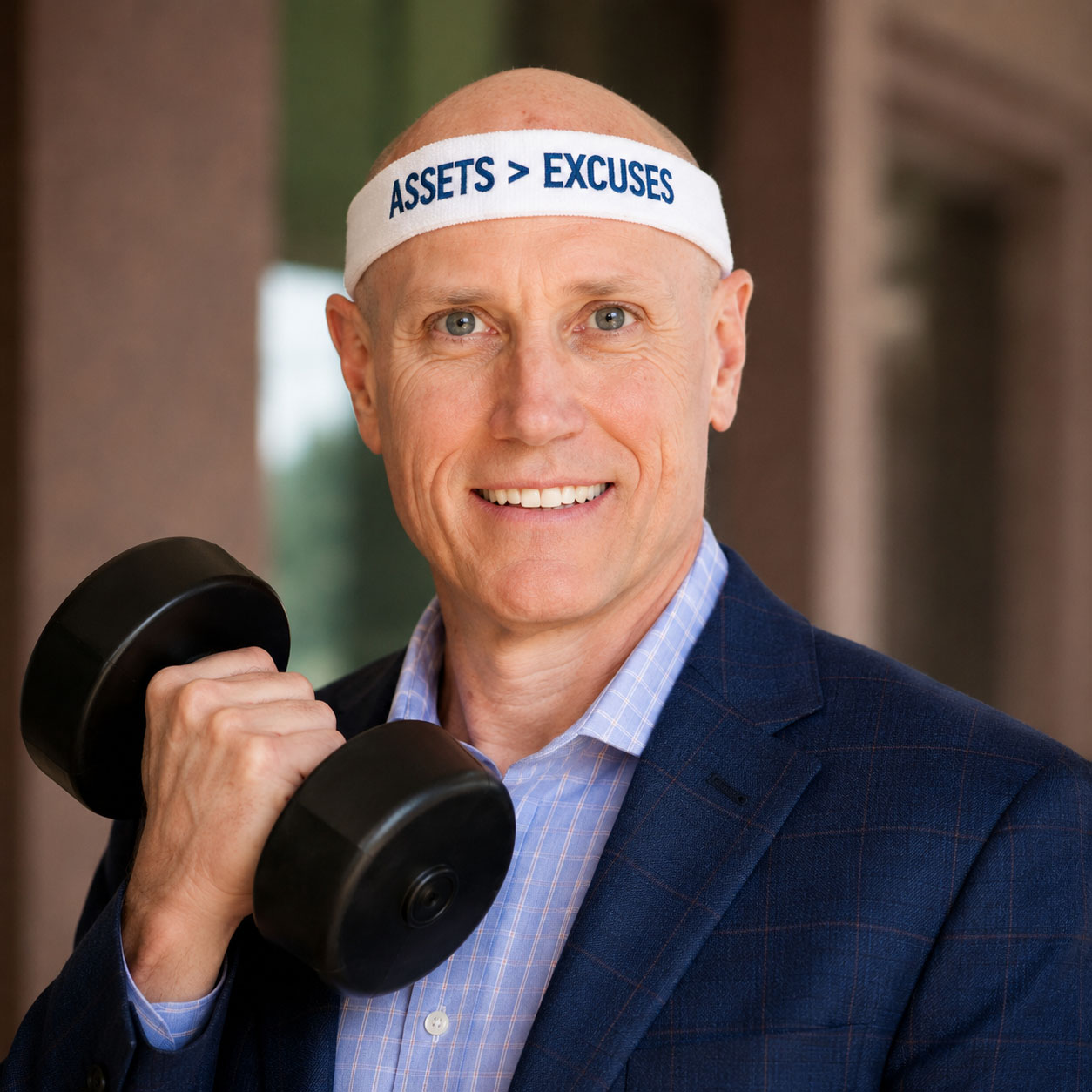
Ed leads Audience Development at EverSource. He will listen to where you are, share where the platform can help, and tell you honestly when it cannot. No proposal, no pressure, just a conversation that is worth having earlier rather than later.

Ed Hart Head of Audience Development