
Platform · Succession & Continuity

A practice built to outlast its founder.

Every founder eventually faces the same question: whether the practice they built can continue without them. Succession & Continuity is the discipline that helps the answer be yes. It brings together continuity planning, next-generation advisor development, and the structures and capital a transition eventually calls for, treated as work done across years rather than arranged at the end.

When a practice is built on the EverSource platform, much of that foundation begins taking shape years before a transition is on the horizon.

A practice worth building is a practice worth handing on well.

Why it matters

Two questions most founders treat as one.

Most of what makes a practice valuable is bound up in the founder. The client trust, the judgment behind the portfolios, the way the team works, the relationships built over decades. That is not a flaw. It is usually why the practice succeeded. It is also what makes handing it on harder than founders expect.

There are really two questions here, and they are not the same. Succession is the planned one: how the practice passes to the next generation when the founder is ready. Continuity is the unplanned one: what protects the clients and the team if something happens before the plan is finished. Most founders think about the first, eventually, and leave the second to a document in a drawer.

Both tend to be underbuilt, for the same reason. A practice built to run on its founder was never designed to run without one. Closing that gap is not a transaction to arrange at the end. It is a discipline to practice across the years that lead up to it.

And even when the next generation is ready to lead, the economics can still prevent a transition from working. A successor may have the ability to carry the practice without yet having the capital to purchase it.

This is the work of Succession & Continuity. We bring the structures, the next-generation development, and the capital a transition calls for, and we treat continuity as something to build early rather than assemble under pressure.

The founders who hand a practice on well tend to start years before they need to.

What we do

Build the conditions for a transition that works.

Succession is easier when the work begins before the handoff becomes urgent. We help founders put the structures, people, and economics in place so clients, team, and enterprise can carry forward.

01

Continuity Planning

Put clear arrangements in place for clients and the team if the founder becomes unavailable before a planned transition. Continuity should hold whether or not the longer-term succession plan is complete.

02

Successor Readiness & Development

Recruit or develop the advisors who can carry the practice forward, then give them time to grow into greater responsibility. Career paths, compensation, ownership opportunities, and client relationship transitions are designed well before the handoff.

03

Ownership & Economic Design

Design the economic path from founder ownership to next-generation ownership so the interests of both sides remain aligned. Valuation, compensation, buy-in, and timing need to work together, particularly when a capable successor does not yet have the capital to purchase the practice outright.

04

Transition Structuring & Capital

Where a transition requires financing, we can help evaluate and structure access to capital on a case-by-case basis. Any capital arrangement is structured separately from the standard platform relationship. The right financing approach depends on the shape of the transition.

Different founders need different pieces. The discipline is putting them in place early enough to work.

Platform Benefits

Continuity is built into the way the practice runs.

The hardest parts of continuity are the ones that take years. On EverSource, those foundations can begin taking shape long before a founder is ready to transition. When succession becomes active work, less has to be invented from scratch.

An investment system that can carry forward

For practices using firm-managed portfolios, maintained models can continue across a leadership transition. For advisor-directed practices, documented philosophy, repeatable decision processes, shared team knowledge, and platform infrastructure can make the investment approach transferable rather than founder-dependent.

An operating model beyond one person

Technology, business support, and shared workflows reduce the amount of institutional knowledge that lives only in the founder's head. The practice becomes less dependent on one person to keep the business moving.

A next generation already in relationship

When next-generation advisors are developed before a transition, they have time to earn trust, understand the clients, and grow into responsibility. The handoff becomes a continuation of relationships rather than an introduction at the end.

Succession still requires deliberate work. The benefit of the platform is that you are not starting from zero when the time comes.

How the work unfolds

From intention to transition.

Succession is less a project than a practice with a horizon. The work unfolds across years, and the earliest steps matter most, because they decide what the later ones can even be.

01

Clarify what continuity has to protect.

We start with the founder, not the org chart. Who depends on this practice, what it stands for, and what the founder wants it to mean after they have stepped back. The work begins by making those priorities explicit. The structure that follows is shaped by them.
02

Build the continuity foundation.

The pieces that take the longest to put in place: investment-platform continuity, an operating model the practice can run without the founder in every decision, and contingency arrangements that hold even if the timeline moves up. Each one reduces what the transition itself has to carry.

03

Develop the next generation.

The advisors who will carry the practice forward are recruited or developed from within, and grow into the firm rather than inheriting it cold. The compensation and equity structures that make a buyout workable are designed here, with Practice Transformation, well before they are needed.

04

Structure and steward the transition.

When the handoff comes, the prior years carry most of the weight. Relationships have been introduced, the investment book has continuity, the next generation is ready, and the ownership structure and any financing are in place. The founder's role shifts deliberately rather than abruptly.

The transition is the visible part. The years before it are the work.

Part of one platform

Succession & Continuity is where the other disciplines pay off. What each of them builds is what a practice eventually hands on.

The founder's view of this work lives on the Succession & Legacy page, where it is framed around the stage a founder is in rather than the capability itself.

From our founder
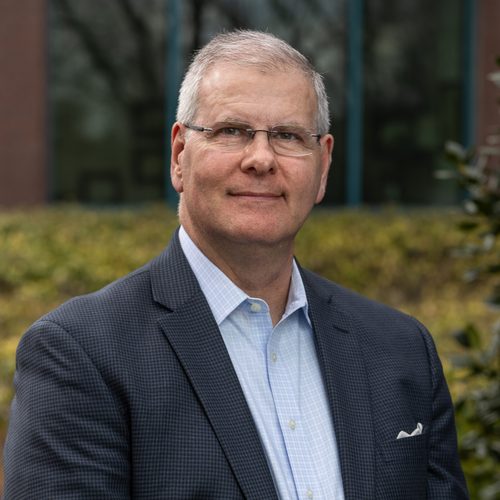
“I tell founders this often: succession starts while you're still fully engaged. You build the people, the systems, and the relationships long before you're ready to step back. If you wait until the handoff is close, you've waited too long. The goal is to make sure the people you've spent a career serving continue to be served well.”
Mark Wesson Chief Executive Officer and Founder
Questions

Practical questions, answered plainly.

When should we start thinking about succession and continuity?
Earlier than most founders do. The work of building a practice that can continue beyond its founder takes years, not months, and the earliest steps are the highest-leverage ones: investment-platform continuity, next-generation advisor development, and the operating-model decisions that determine whether the practice can run without the founder in every conversation. Continuity, the protection that matters if something happens before a plan is ready, is worth putting in place well before any planned transition is on the horizon.
What happens to our clients and team during a transition?
Client and team continuity depend on how the transition is designed, not only how it is executed. The structural pieces, like role transitions, communication mapping, and the gradual introduction of next-generation advisors to long-standing clients, are the work of years rather than weeks. The culture the practice has built for its clients and its people is treated as something to preserve deliberately, not to leave to chance.
What if something happens to the founder before a succession plan is ready?
That is the continuity question, and it is distinct from planned succession. Continuity is the protection that has to hold whether or not the plan is finished: clear arrangements for the clients and the team, and an operating model that does not stop because one person is unavailable. For a practice on the platform, much of that protection is already in place, because the investment approach, the systems, and the back office do not live only in the founder's head.
How is the practice valued, and how does the next generation buy in?
The economic path from founder ownership to next-generation ownership is designed to fit the specific situation rather than forced into a single template. Valuation, compensation, buy-in, and timing are worked out together, alongside the organizational design that lives in Practice Transformation, well before a transition. The right approach depends on the shape of the practice, and is best worked through in conversation.
Does EverSource provide capital for a succession buyout?
Where a transition requires financing, we can help evaluate and structure access to capital on a case-by-case basis. Any capital arrangement is structured separately from the standard platform relationship. The right financing approach depends on the shape of the transition.
Do we keep ownership of the practice and our brand through a transition?
The purpose of the work is that what you built continues as itself. Ownership stays with the advisor where the structure allows, and the brand carries forward unless you choose otherwise. The next generation inherits a practice with a name and a reputation of its own, and the transition is designed to serve what you intend for it.
Ed Hart
Start the conversation

Thinking about how your practice continues?

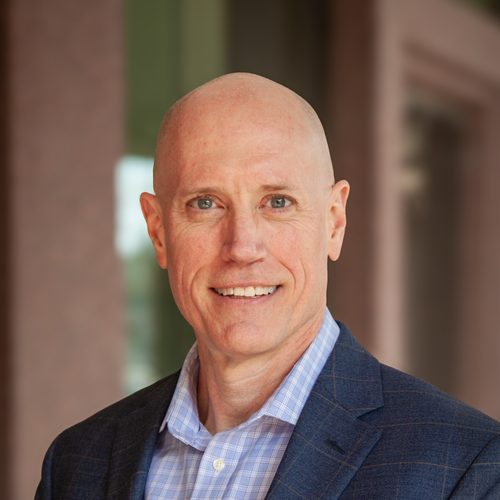
Ed leads Audience Development at EverSource. For founders, the conversation usually starts well before any transition: what continuity is already in place, what still depends entirely on you, and what the years ahead would need to look like.

There is no assumption that a move is near. The point is to understand what you have built, and how to make sure it lasts.

Ed Hart Head of Audience Development
Not an advisor? Looking for a financial advisor who shares your values? We can help you find one.
Find an advisor →